
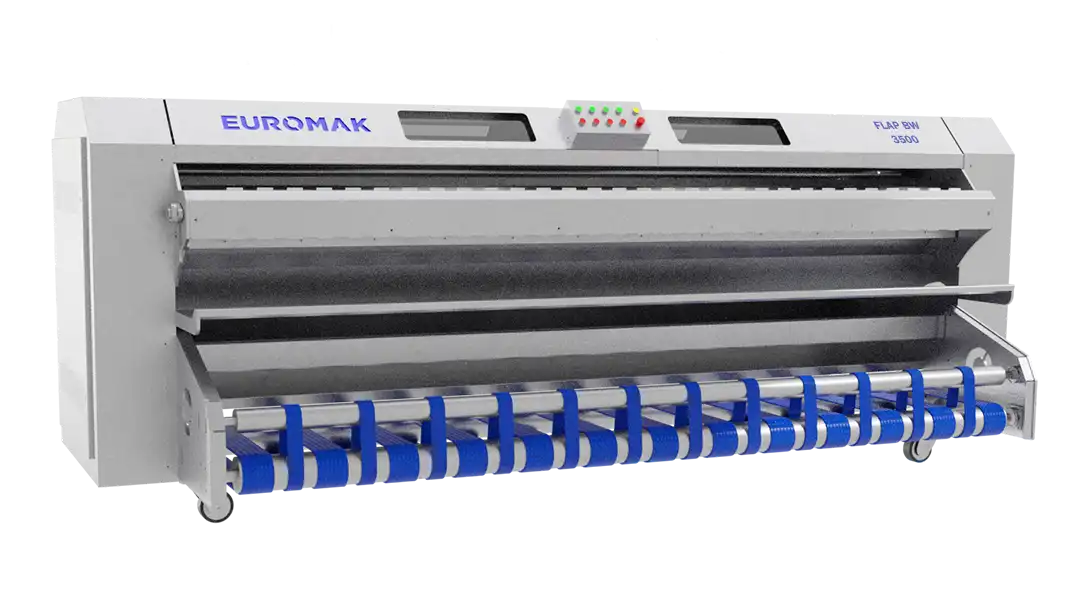
If you run a professional rug cleaning operation, you already know that the wash is only as good as the prep. And the most important prep step, one that separates high-volume, high-quality shops from the rest, is dusting. But what actually happens inside a rug dusting machine? And why does it matter so much? Let's break it down.
Why Hand-Beating Rugs Doesn't Cut It Anymore
Traditional rug beating, whether by hand, a stick, or a manual beater, is inconsistent, exhausting, and slow. A single 9x12 rug can hold pounds of embedded dry soil: dust, sand, pet hair, allergens, and fine grit that settles deep into the pile over months or years of use. Manual beating might dislodge surface debris, but it rarely reaches the particles locked into the base of the fibers.
More importantly, manual beating doesn't scale. If your shop is processing dozens or hundreds of rugs per day, you simply can't afford to spend 10–15 minutes hand-beating each one. That's where automated rug dusting machines change everything.
The Mechanics: How a Rug Dusting Machine Actually Works
A professional rug dusting machine uses a combination of three systems working in sequence to remove dry soil before washing begins:
1. Dual Beating Rollers
The heart of the machine is its dual beating rollers. On Euromak's Flap series and Flap BW series, these rollers deliver 208 beats per minute — each. That's 416 total strikes per minute applied uniformly across the full width of the rug as it passes through on the conveyor belt. The mechanical impact breaks the bond between embedded particles and carpet fibers, releasing dust, sand, and debris that no amount of vacuuming or washing alone could extract.
2. Sweeping Roller Brushes
Once the beating rollers dislodge the particles, integrated sweeping roller brushes (typically 6.7–6.9 inches in diameter) guide the loosened debris away from the rug surface and toward the vacuum intake. This two-step action, beat, then sweep, ensures particles don't simply resettle back into the pile.
3. High-Suction Vacuum System
The final stage is extraction. A powerful industrial vacuum system rated at 2,000 m³/h (~70,600 ft³/h) pulls the dislodged particles out of the dust chamber and away from the work area. This not only cleans the rug, it keeps your facility's air quality clean too, reducing airborne dust that would otherwise settle on equipment and staff.
Key Specs to Understand Before You Buy
When evaluating a rug dusting machine, these are the numbers that matter most:
- Beats per minute: Higher BPM means more thorough dust extraction per pass. Look for 208 BPM or higher.
- Working width: Must accommodate your widest rugs. Euromak models range from 8.2 ft (2,500 mm) up to 19.6 ft (6,000 mm).
- Daily capacity (m²/day or ft²/day): This determines your throughput ceiling. The Flap 2500 handles up to 21,528 ft²/day; the Flap BW 4200 reaches 32,292 ft²/day.
- Vacuum suction power: Measured in m³/h. A minimum of 2,000 m³/h is standard for professional-grade machines.
- Conveyor belt speed: Adjustable speed (typically 3.2–6.5 ft/min) lets you slow down for heavily soiled or delicate rugs and speed up for lightly soiled pieces.
Wall-Mounted vs. Standalone: Which Is Right for Your Shop?
Euromak offers two main configurations for rug dusting machines:
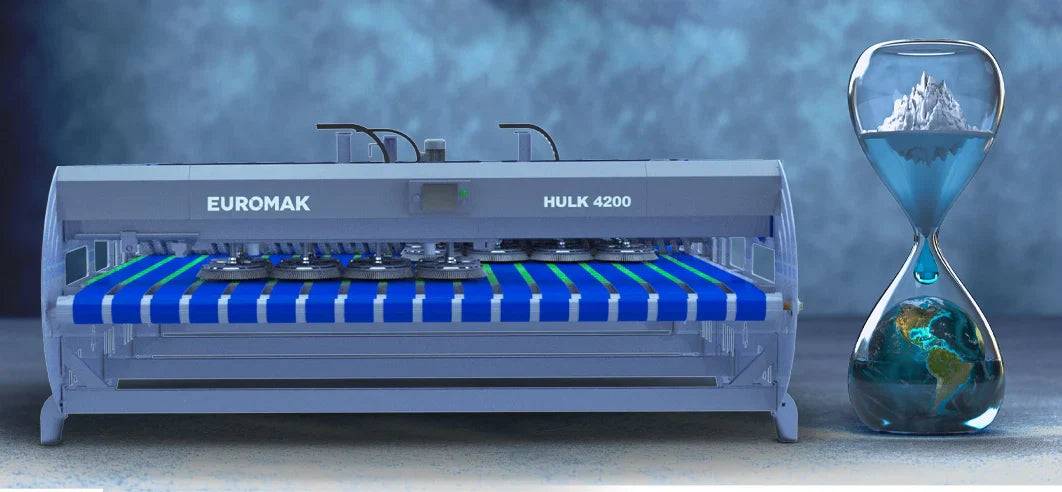
The Flap BW series is wall-mounted, making it ideal for shops where floor space is at a premium. The wall-mount design keeps the machine's footprint minimal while still delivering full industrial performance - up to 32,292 ft²/day on the BW 4200 model.
The Flap series is freestanding, offering more flexibility in placement and layout. It's a great fit for shops that are still configuring their floor plan or that need to reposition equipment as they grow.
Both series use the same core beating and vacuum technology - the choice comes down to your facility layout and space constraints.
Who Needs a Rug Dusting Machine?
If you're processing more than 20 to 30 rugs per day, a dedicated dusting machine isn't optional, it's essential. Professional rug cleaning plants, hotel linen services, restoration companies, and high-volume carpet cleaners all benefit from automated dusting because it:
- Reduces wash cycle time (less soil entering the wash means faster, cleaner results)
- Protects your rug washing machine from excess debris and premature wear
- Cuts water usage by removing dry soil before it turns to mud
- Improves final cleaning quality and customer satisfaction
- Eliminates hours of manual labor per day
The dusting step isn't just about cleaner rugs, it's about running a more efficient, more profitable operation. When your machines do the heavy lifting, your team can focus on throughput, quality control, and growing the business.
Ready to see which dusting machine fits your shop? Browse the full Euromak rug dusting machine lineup or contact our team for a personalized recommendation based on your daily volume and rug sizes.






Share:
How Truck-Mount Cleaners Are Adding $100K+ in Revenue With a Rug Washing Operation
Rug Dusting Before Washing: Why Skipping This Step Is Costing You