
You already have the customers. You already have the truck, the equipment, and the reputation. You show up at someone's home to clean their carpets, and sitting right there in the living room is a rug that needs cleaning too.
What happens to that rug?
In most cases, one of three things: the customer rolls it up and sets it aside so you can clean around it, they mention they have been meaning to get it cleaned, or they ask if you can do it. And in most cases, the answer is no, not properly, not the way a rug actually needs to be cleaned.
That is a missed revenue opportunity sitting in every single home you walk into.
This article is for carpet cleaners who are ready to stop leaving that money on the table. We will cover why rug washing is a natural extension of your existing business, what makes it different from carpet cleaning, what equipment you actually need to get started, and how to price and position it so it adds real margin from day one.
Why Rug Washing Is the Highest-Margin Add-On a Carpet Cleaner Can Offer
Carpet cleaning is a competitive, price-sensitive market. Customers compare quotes, discount codes circulate, and margins get squeezed. Rug washing is a different business entirely.
Here is why:
- Rugs are high-value items. A customer who paid $800 for a wool rug is not going to hand it to the cheapest cleaner they can find. They want someone who knows what they are doing. That willingness to pay for expertise translates directly into higher prices and better margins.
- There is far less competition. Most carpet cleaners do not offer proper rug washing. Most dry cleaners do not either. The customer who wants their rug professionally washed often has very few local options, which means you can charge accordingly.
- The revenue per job is significantly higher. A typical carpet cleaning job might generate $150 to $300. A single area rug cleaned properly can generate $100 to $400 depending on size, fiber type, and condition. A customer with three rugs is a $300 to $1,200 job.
- Your existing customers are already warm leads. You have already built trust with them. When you tell a customer you now offer professional rug washing, they do not need to be convinced you are legitimate. They already know you.
Why You Cannot Just Clean Rugs the Same Way You Clean Carpets
This is the part most carpet cleaners underestimate, and it is important to get right before you start taking rug jobs.
Carpet cleaning is done in place. You bring your equipment to the carpet, apply chemistry, agitate, and extract. The carpet stays on the floor. The process is designed around that constraint.
Rug washing is fundamentally different. A proper rug wash involves:
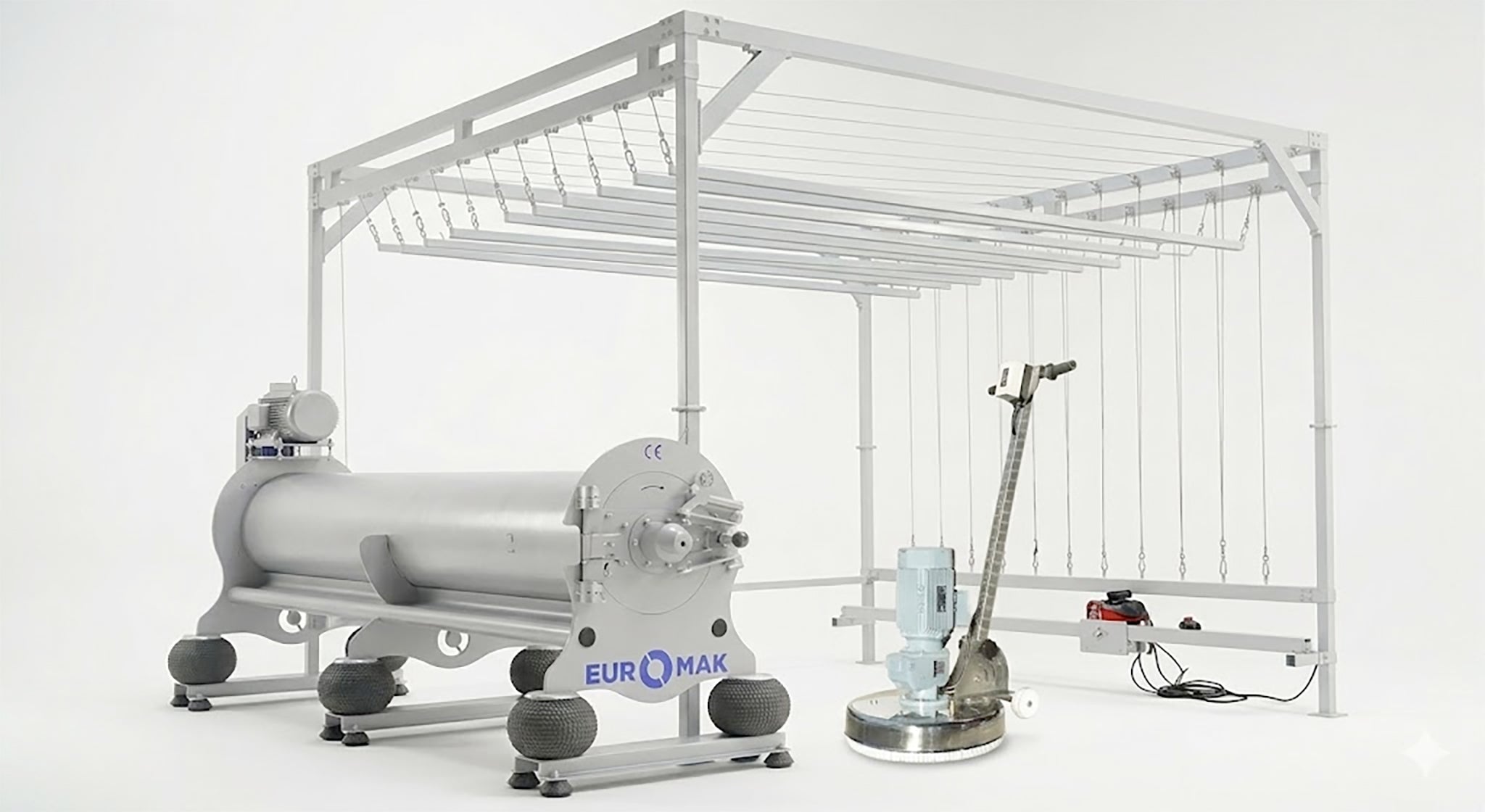
- Full immersion washing. The rug needs to be saturated, agitated, and rinsed thoroughly on both sides. This cannot be done effectively with a wand on a floor. It requires a dedicated wash process, ideally with an automatic rug washing machine.
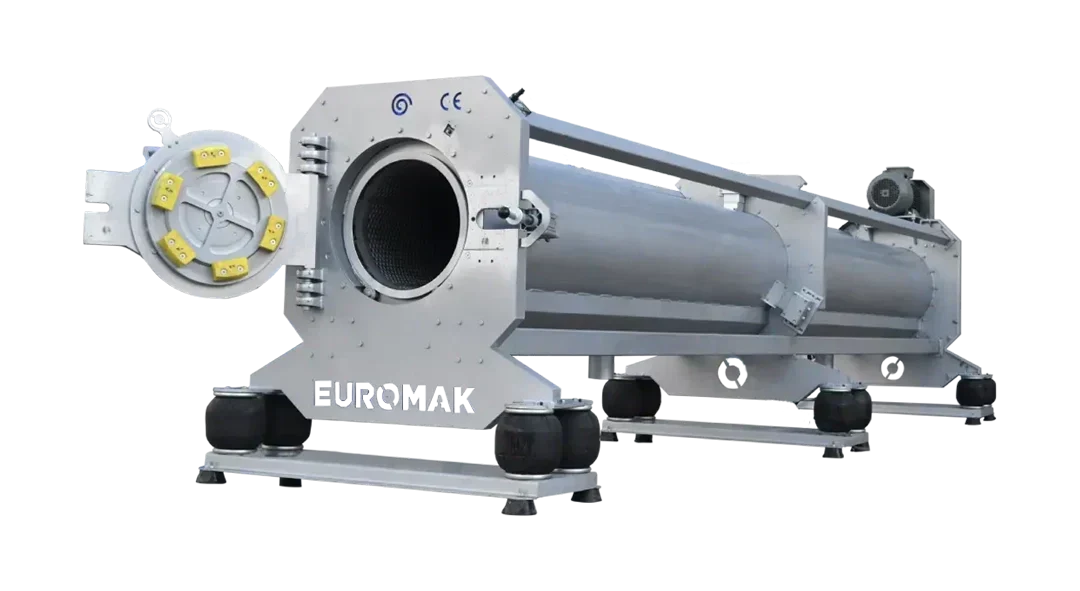
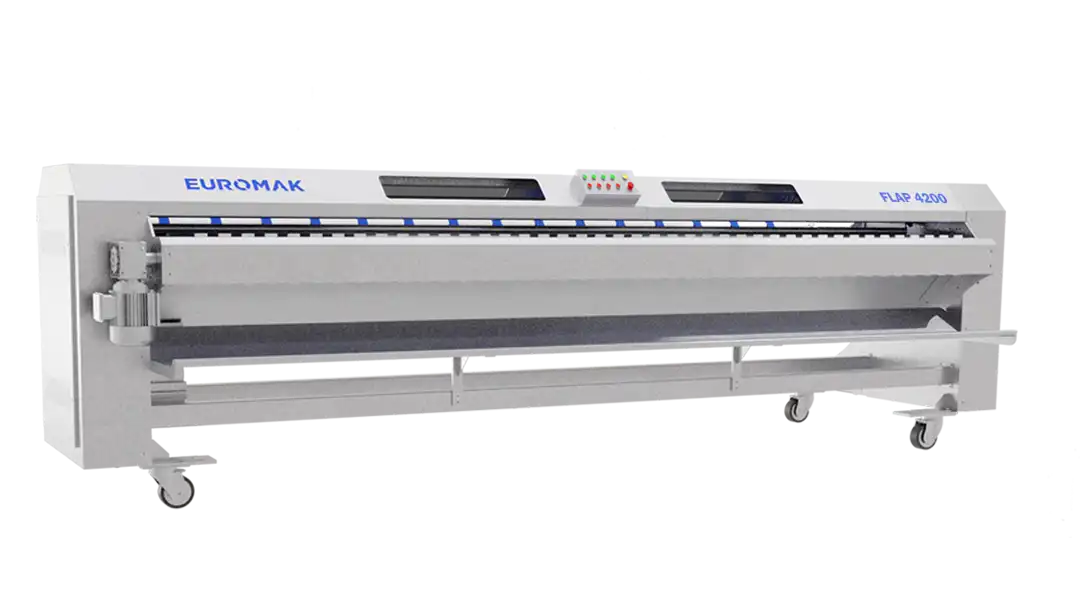
- Dry soil removal before washing. Rugs hold significantly more dry soil than wall-to-wall carpet. Washing without removing that soil first turns it into mud and pushes it deeper into the foundation. A rug dusting machine handles this before the rug ever touches water.
- Controlled water extraction. After washing, a rug is saturated and heavy. Air drying takes 12 to 24 hours and creates real risk of mold, mildew, and odor if conditions are not ideal. A centrifuge spinner removes 90 to 97% of water in minutes, making same-day or next-day turnaround possible.
- Fiber-appropriate chemistry. Wool, silk, cotton, synthetic, and natural fiber rugs all respond differently to cleaning agents. The chemistry that works on nylon carpet can damage a wool rug. Professional rug cleaning solutions are formulated for the specific demands of rug fibers.
None of this is complicated once you have the right setup. But it does require a dedicated process and dedicated equipment. The carpet cleaning truck stays on the road. The rug washing happens at your facility.
What You Actually Need to Get Started
The good news for carpet cleaners is that you do not need a full facility buildout to start taking rug jobs. You can enter the market lean and add equipment as your volume grows.
The Minimum Viable Setup: Centrifuge Only
If you have a space with floor drainage and adequate electrical supply, you can start with a single centrifuge spinner. You wash rugs manually or with existing equipment, spin out the water, and hang them to dry. This is not the most efficient process, but it is a real rug washing service that produces results your customers cannot get from a carpet cleaning wand.
Entry cost: $14,290 to $18,860 depending on drum size. Most carpet cleaners starting out choose the 9ft drum, Spin 2700 at $18,860, because it handles 8x10 and 9x12 rugs, which are the most common residential sizes, without folding.
The Core Setup: Washing Machine + Centrifuge
Once you are consistently taking in 10 or more rugs per week, adding an automatic rug washing machine transforms your operation. Washing becomes consistent, faster, and no longer dependent on manual labor. Your results improve noticeably, and you can start taking on more demanding rug types with confidence.
This is the setup that turns rug washing from a side service into a real revenue line. Most carpet cleaners who add this setup find that rug washing becomes 20 to 40% of their total revenue within 12 months.
The Professional Setup: Full System
When rug washing is generating consistent volume, adding a dusting machine, drying racks, a dehumidifier, and eventually a finishing machine completes the system. At this point, you are running a professional rug cleaning operation alongside your carpet cleaning business, and the two feed each other.
How to Price Rug Washing as a Carpet Cleaner
Pricing is where most carpet cleaners leave money on the table when they first add rug washing. They default to carpet cleaning pricing logic, which is built around square footage and speed. Rug washing pricing is built around value, expertise, and the customer's relationship with the item being cleaned.
A Simple Starting Framework
- Standard residential rugs, synthetic and machine-made: $2.50 to $3.50 per square foot. A 5x8 rug at $3 per square foot is $120. A 9x12 is $324.
- Natural fiber rugs, wool, cotton, and jute: $3.50 to $5.00 per square foot. These require more care, more time, and fiber-appropriate chemistry.
- Delicate or hand-knotted rugs, silk, antique, and Persian: $5.00 to $8.00 per square foot or quoted individually. These are high-value items where the customer is paying for expertise and trust as much as the cleaning itself.
- Heavily soiled or odor-affected rugs: Add a surcharge of 20 to 40% for rugs that require additional treatment, pre-soaking, or deodorizing.
Do not undercut yourself to win the first few jobs. Customers who are price-shopping rug cleaning are not your best customers. Your best customers are the ones who care about their rugs and want someone they can trust. Those customers will pay fair prices for professional results.
How to Market Rug Washing to Your Existing Customers
You already have the hardest part: a customer list of people who have paid you to clean their floors. These people own rugs. Here is how to reach them.
Tell Them Directly
The simplest approach is the most effective. When you finish a carpet cleaning job, mention it: "We have just added professional rug washing to our services. If you have any rugs you have been meaning to get cleaned, we can pick them up and have them back to you within a few days." That is it. No hard sell. Just a mention from someone they already trust.
Add It to Your Follow-Up Communication
If you send follow-up emails or texts after jobs, add a line about rug washing. Something like: "Did you know we now offer professional rug washing? We pick up, clean, and return your rugs, usually within 48 hours. Reply to this message to schedule a pickup."
Offer a First-Rug Incentive
For existing customers, a small incentive to try the new service can accelerate adoption. A 15% discount on their first rug, or free pickup with their next carpet cleaning appointment, gives them a low-risk reason to try it. Once they see the results, they become repeat rug washing customers.
Position It as a Premium Service
Do not position rug washing as a cheap add-on. Position it as a specialized service that requires dedicated equipment and expertise, because it does. Customers who understand that their rug is being properly washed, not just spot-cleaned, will pay more and refer more.
The Revenue Math: What Rug Washing Can Add to Your Business
Let us put some real numbers to this. Assume you are a carpet cleaner doing $200,000 per year in revenue. You add rug washing and, within 12 months, you are cleaning 8 rugs per week at an average of $180 per rug.
- 8 rugs per week x $180 average = $1,440 per week
- $1,440 per week x 50 weeks = $72,000 per year in additional revenue
That is a 36% increase in revenue from a service that uses the same customer relationships you have already built. And because rug washing margins are strong, especially once you have the right equipment, a significant portion of that $72,000 flows to the bottom line.
At 20 rugs per week, which is achievable within 18 to 24 months for a carpet cleaner with an established customer base, you are looking at $180,000 per year in rug washing revenue alone.
Common Concerns Carpet Cleaners Have and the Honest Answers
"I do not have a facility for this."
You need a space with floor drainage, adequate electrical supply, 3-phase for most equipment, and enough room to lay out and process rugs. This does not have to be a dedicated building. Many carpet cleaners start in a garage, a rented commercial bay, or a shared industrial space. The key requirements are drainage and electrical, not square footage.
"I do not know enough about rugs to clean them properly."
You know more than you think. The fundamentals of fiber care, chemistry, and moisture management transfer directly from carpet cleaning. The main things to learn are rug-specific: how to identify fiber types, how to handle fringe, and how to adjust your process for hand-knotted versus machine-made rugs. This is learnable, and the equipment does most of the heavy lifting.
"What if I damage a rug?"
This is a legitimate concern, and the answer is: start with the rug types you are most confident about. Synthetic and machine-made rugs are forgiving. Build your process and your confidence there before taking on high-value wool or silk pieces. As your skills and equipment improve, your ability to handle delicate rugs safely improves with them.
"Is the equipment investment worth it?"
Run the math for your own situation. A centrifuge at $18,860 financed over 60 months is roughly $315 per month. If you clean 8 rugs per week at $180 average, you are generating $1,440 per week in new revenue. The equipment pays for itself in the first few weeks of operation, not months. The question is not whether the investment is worth it. The question is how quickly you can build the volume to justify the next piece of equipment.
Your Next Step
If you are a carpet cleaner who is ready to add rug washing, the path is straightforward. Start with a centrifuge sized to the rugs you expect to clean most often. Build your process, build your customer base, and add equipment as your volume grows.
Here is where to start:
- Spin Centrifuge Series - The right entry point for carpet cleaners adding rug washing. 5ft to 14ft drums, starting at $14,290. Most carpet cleaners start with the 9ft drum.
- Spin Plus Centrifuge Series - For carpet cleaners who want premium extraction performance from day one. 9ft to 17ft drums, starting at $18,860.
- Automatic Rug Washing Machines - The machine that turns rug washing from a manual process into a scalable operation. Add this when your volume justifies it.
- Rug Dusting Machines - The step that dramatically improves your cleaning results and reduces chemistry costs. Worth adding earlier than most people expect.
- Rug Cleaning Solutions - Professional chemistry formulated for rug fibers, not carpet. The right solutions protect your customers' rugs and your reputation.
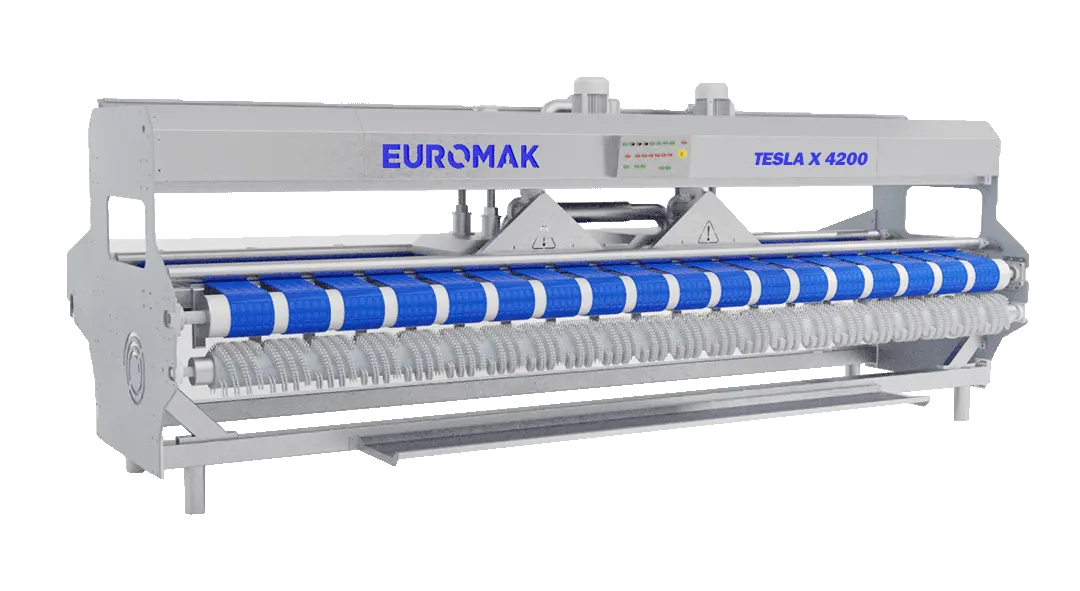
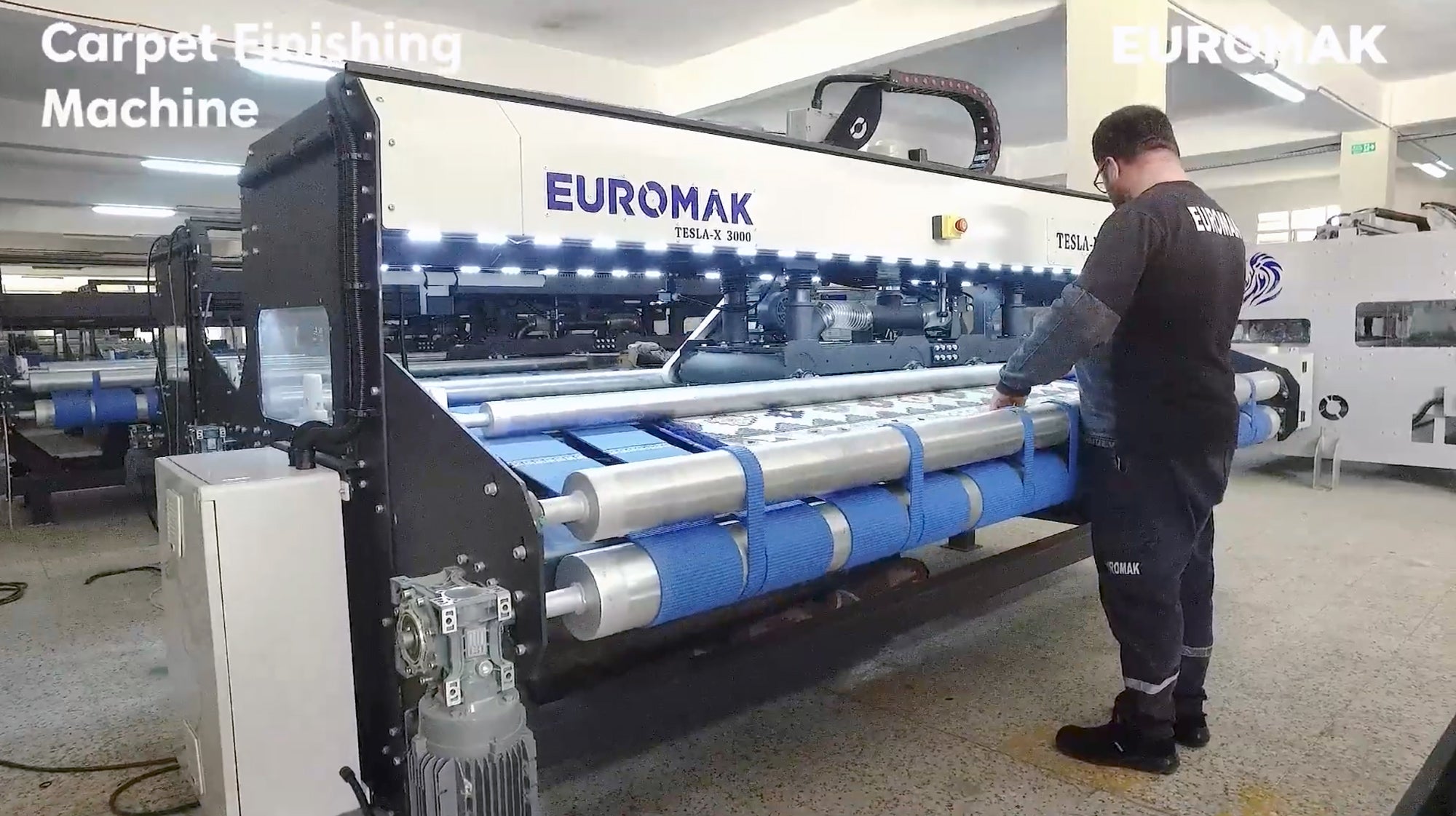
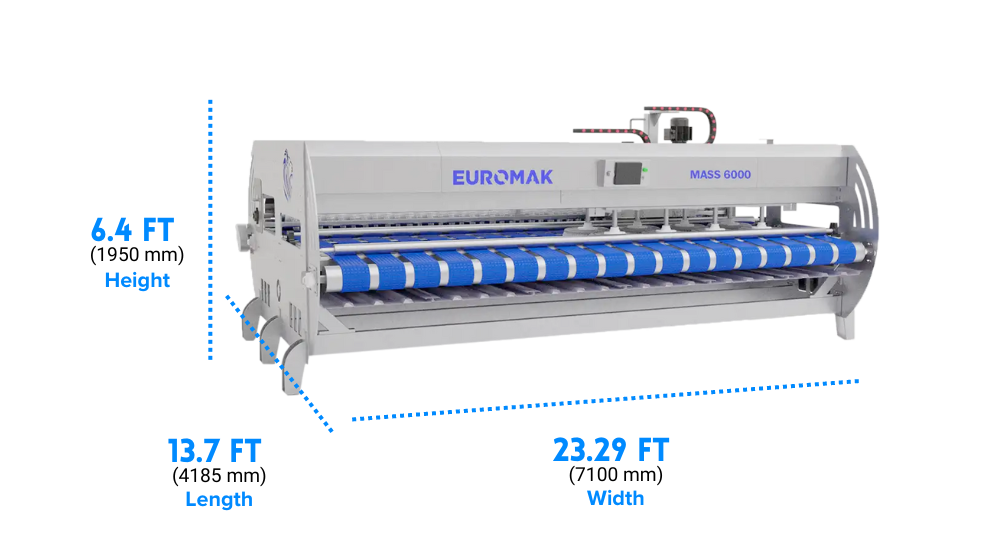
- Rug Finishing Machines - The finishing touch that makes your results look as good as they are clean.
Not sure where to start for your specific situation? Contact our team. Tell us about your current carpet cleaning operation, your facility, and the types of rugs you expect to clean. We will help you build the right entry setup for your business and show you exactly how to grow from there.

Share:
Rug Cleaning Equipment for Startups
Large Area Carpet Cleaning Equipment: Industrial Machines Built for Oversized Rugs